What is adult coloring?
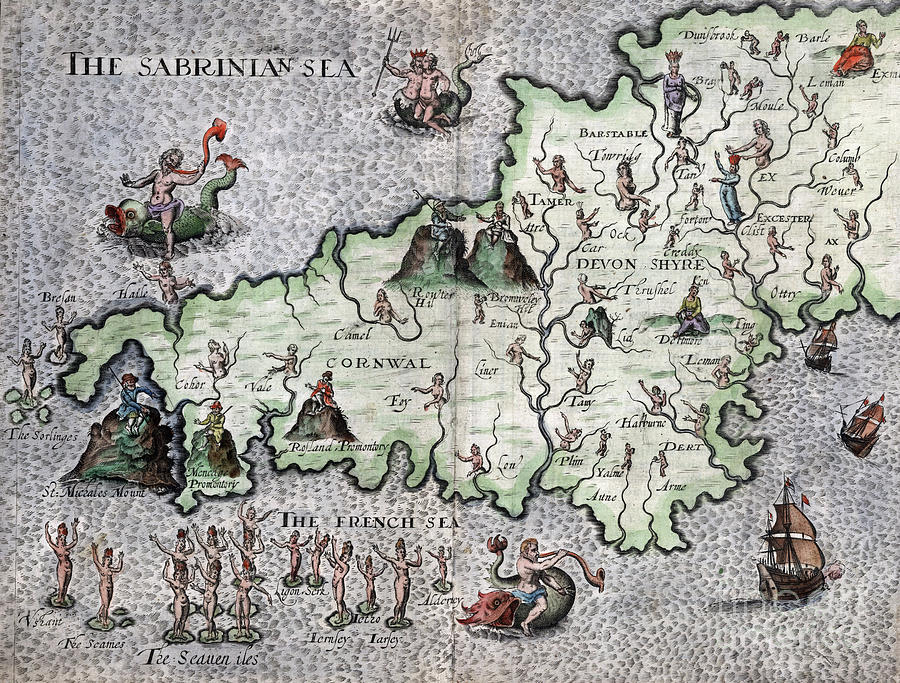 |
| Map of Cornwall, England by Michael Drayton from Poly Olbion |
 |
| Excerpt from the "Executive Coloring Book" by Brenda Jackson et al. |
Not too long after adult coloring books became a trend in the early 2000s (Anderson, 2024, para. 4), and now consisted of intricate illustrations of practically anything, such as flowers, people, places, etc. Coloring books of this time are more complex with designs that require focus and attention to detail, such as mandalas. As a result, adult coloring became an activity to reduce stress and anxiety, or as we know it, a mind-body practice.
Why is adult coloring considered a mind-body practice?
Adult coloring, as I said before, is more than just for fun; now it's a way to achieve mental and emotional stability. Mind-body practices are defined as a group of techniques or procedures that target mind-body interactions to promote health (National Center for Complementary and Integrative Health [NCCIH], 2025). Thus, adult coloring is a mind-body practice because when you color, some parts of your brain's cerebral hemispheres are activated, resulting in a meditative state, improved motor skills, improved focus, improved sleep, reduction of anxiety, and relief of stress (Taylor, 2021).
When you're coloring, you're focused on color choice and staying within the lines, making you only think about the present and quiet your inner dialogue, removing negative thoughts and emotions (Taylor, 2021). Also, when you're focused on coloring, your frontal lobe is activated. Your frontal lobe plays a key role in thinking and reasoning, regulating emotions, motor functions, and memory. Therefore, when you color, your frontal lobe is becoming more stable, allowing you to concentrate, organize, and reason. This can be very beneficial for individuals with ADHD. According to Heidi Moawad (2024), engaging in mind-body practices, such as adult coloring, can help promote the parasympathetic nervous system, which regulates bodily functions during rest and relaxation, leading to reduced stress and anxiety. When relaxed, your blood pressure and heart rate decrease, and breathing becomes normal, which helps with anxiety. Additionally, as your body enters this state of relaxation or meditative state, your pineal gland releases melatonin naturally, allowing you to sleep better (Taylor, 2021). Adult coloring can also reduce cortisol levels, which is the hormone responsible for the body's stress response. Lower cortisol levels boost immune function, reduce the risk of chronic diseases, such as heart disease, and increase mental sharpness and cognitive function (Davidson and Hobbs, 2024).Mandalas adult coloring
It is clear that adult coloring is more than an activity you do when you're bored, but also an activity that can be very beneficial to the human mind and bodily functions. I believe a lot of people label coloring as childish, which I used to if I'm being honest, but I now believe that a lot of people should try adult coloring or other mind-body practices when feeling overwhelmed or stressed.
Why I chose this mind-body practice

References
Anderson, C. (2024, October 14). What is adult coloring books?. Focuskeeper Glossary. https://focuskeeper.co/glossary/what-is-adult-coloring-books
Davidson, K., & Hobbs, H. (2024). 11 natural ways to lower your cortisol levels. Healthline. https://www.healthline.com/nutrition/ways-to-lower-cortisol
Fabry, M. (2017, August 2). National coloring book day: Who invented coloring books?. Time. https://time.com/4880819/coloring-books-history/
Lewis, D. (2015, December 29). Adult coloring books were popular (and subversive) in the 1960s. Smithsonian Magazine. https://www.smithsonianmag.com/smart-news/adult-coloring-books-were-popular-and-subversive-1960s-180957666/
Moawad, H. (2024, August 30). The parasympathetic nervous system and your health. Verywell Health. https://www.verywellhealth.com/parasympathetic-nervous-system-8687840
Taylor, M. (2021, August 11). Interested in coloring? 7 benefits of coloring for adults. WebMD. https://www.webmd.com/balance/features/benefits-coloring-adults
U.S. Department of Health and Human Services. (2025, April). Mind and body practices. National Center for Complementary and Integrative Health. https://www.nccih.nih.gov/health/mind-and-body-practices


